Digital forensics software and training for the work that starts when automated output is not enough
Training
Build practical digital forensics skills
Digital and mobile forensics training in SQLite, Python, mobile device forensics and foundational digital forensics. Learn to examine source data, validate findings and explain what the evidence supports.
Investigate app data after extraction with Firefly
Reduce the risk of missed app evidence
Work with supported SQLite, Encrypted SQLite (SQLCipher), RealmDB, LevelDB, IndexedDB and Apple Biome / SEGB data in one workspace. Interpret, validate and report findings with a clear path back to the source.
Backup2FS turns supported iOS backups into a browsable file system, including encrypted backups when the password is provided. VarInt Calculator decodes SQLite VarInts and converts between hexadecimal and decimal.
Strengthen what happens after extraction with Firefly
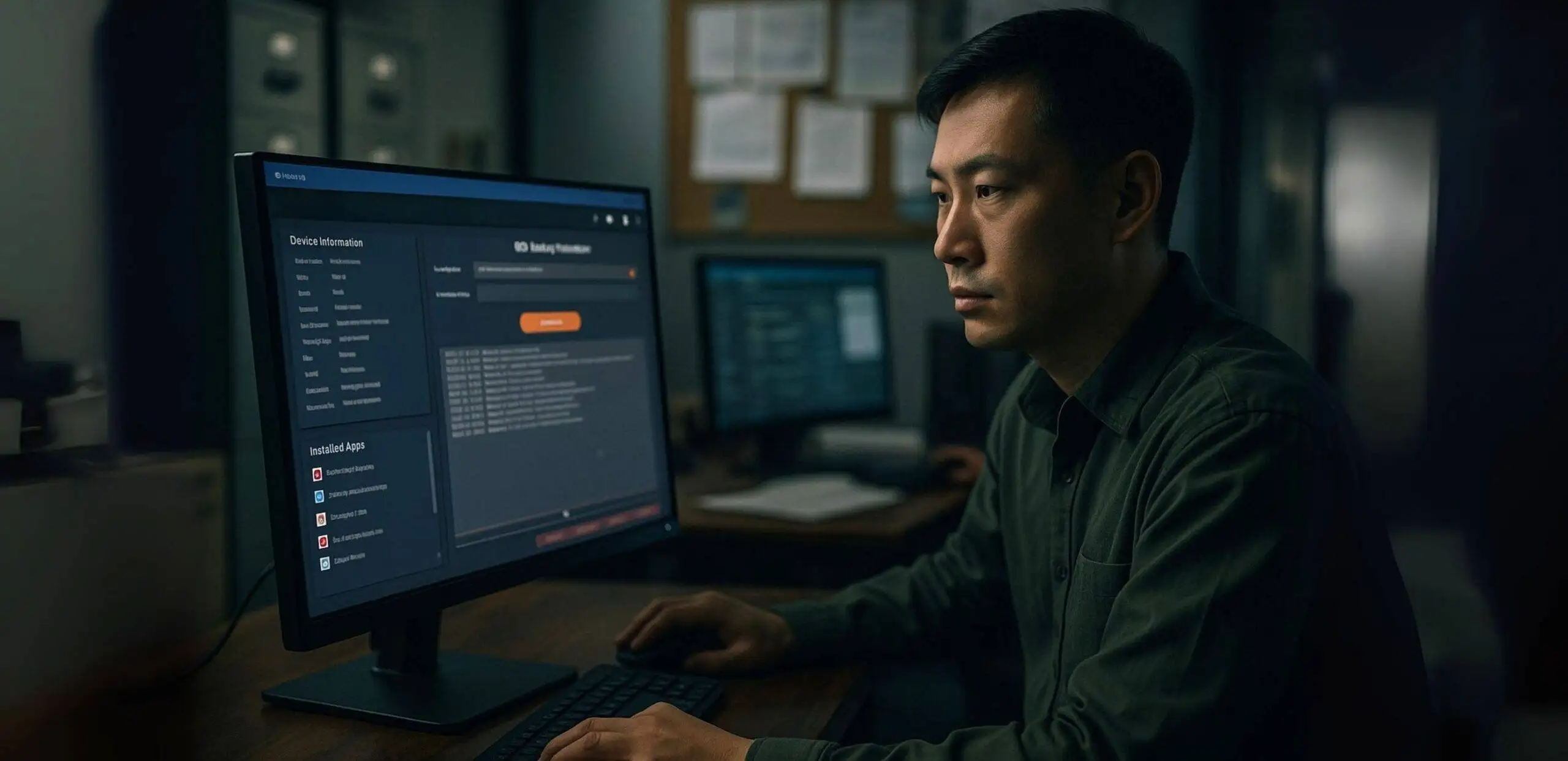
One workspace to examine, interpret, validate and report app data after extraction. Built to complement the forensic tools you already use.
Firefly brings the work after extraction into one forensic workspace. Recover what remains, interpret records in context, validate findings against the source and carry that context into reporting.
Investigate historical or deleted records where recoverable data remains in supported source files. What can be recovered depends on the files available and the condition of the data.
02
Interpret records in context
Review records, timestamps and nested content alongside the data they belong to. Look beyond an isolated value to understand how it has been interpreted.
03
Validate findings at the source
Inspect the source behind an interpretation, including the file, page and byte offset where applicable. Use the Hex Workbench to examine the underlying bytes.
04
Report with analysis context
Create interactive HTML reports that preserve the examiner’s working view, including selected columns, aliases, interpreted timestamps and sort order.
Hands-on digital and mobile forensics training for practical investigative work
Work with forensic training data, practical exercises and scenario-based CTF challenges across SQLite, mobile forensics, Python and digital forensics foundations
SQLite 24 CPE
SQLite Forensics On-Demand
Understand SQLite structures, deleted records, WAL and SHM files, then validate findings against the source.
Certificate of completion included. No coding or scripting experience required.
24 CPE Certificate included
3 months Course access
Hands-on Interactive workbenches
CTF Scenario-based challenges
Forensic tools
Work through the detail with focused tools
A clearer file structure. A closer look at a SQLite record. Tools for specific parts of the work.
Free Windows tool
Backup2FS
Turn iOS backup content into a browsable file system. Backup2FS 3.0 supports encrypted iTunes and Finder backups when you provide the backup password, with selectable hash verification.
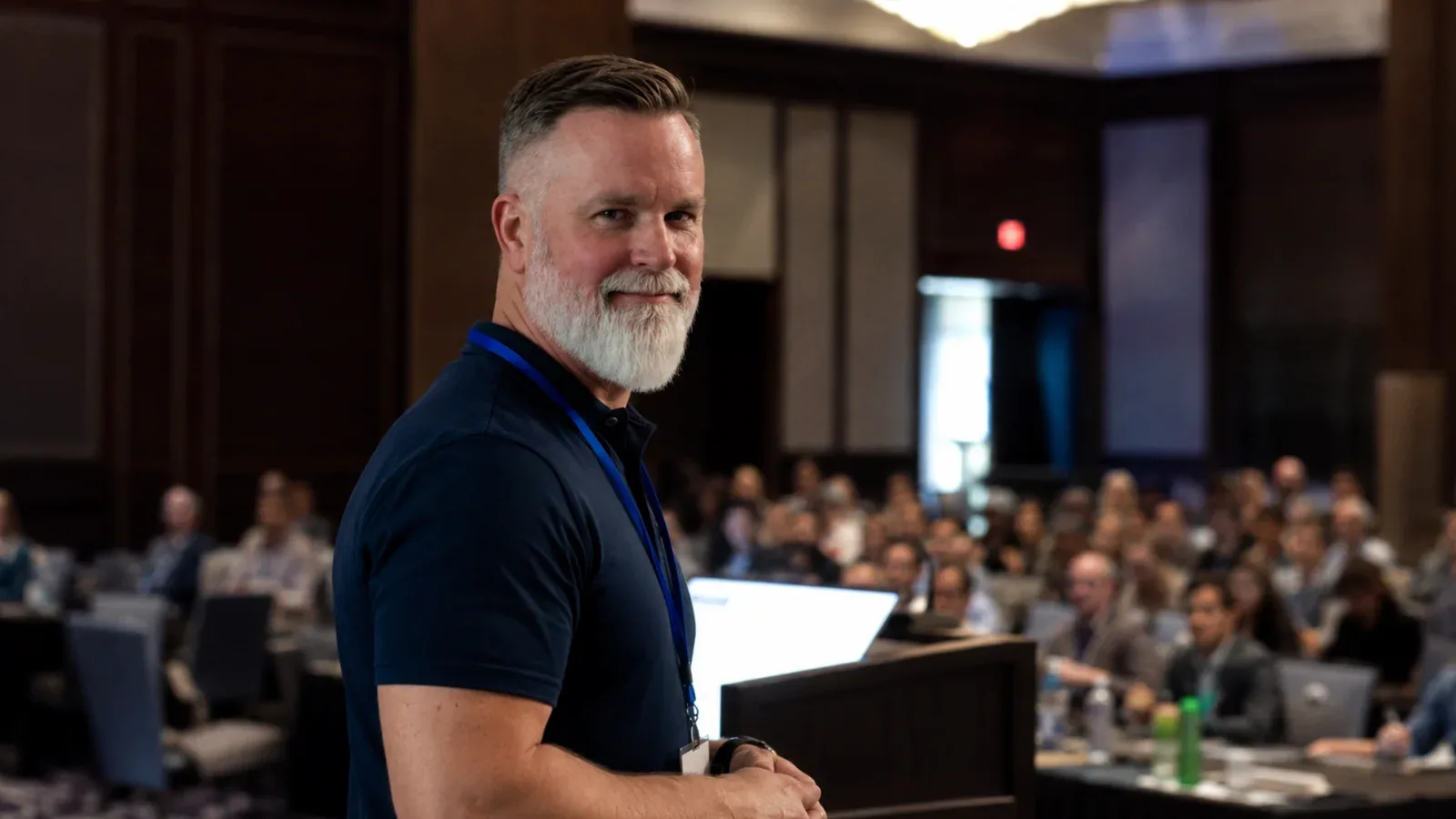
James Eichbaum Co-founder & Head of Product and Training
Why Elusive Data
Built around the gap between access and understanding
Having the data and understanding it are different things. That gap shapes the tools we build, the training we deliver and the resources we share.
James Eichbaum’s background in forensic casework, specialist training and product development connects what we teach with the questions investigators need to answer.
No. The focus is on forensic methods, understanding data and validating findings. The skills are designed to complement the tools your organisation already uses. Explore our digital and mobile forensics training .
Will I have support during SQLite On-Demand?
Yes. The full course includes course-related email support, a course chat where you can ask for support while you work through the material, and one complimentary, bookable one-hour instructor session where you can discuss questions, findings or areas you would like to work through with the instructor. Read more about SQLite Forensics On-Demand or start the course in the Academy .
Does Firefly replace device extraction?
No. Firefly is designed for the work after extraction. It helps you examine underlying app data, interpret records in context, validate findings at the source and report your analysis alongside the forensic tools you already use. Discover Firefly or see Firefly live and book a demo .
What digital and mobile forensics training does Elusive Data offer?
Elusive Data offers training in SQLite forensics, Python for mobile forensics, mobile device forensics and foundational digital forensics, alongside focused SQLite microcourses. Delivery options include Live Online, On-Site and guided On-Demand training depending on the course. Explore all training or learn more about guided On-Demand training .
What app data formats can Firefly work with?
Firefly supports app data analysis across supported SQLite, Encrypted SQLite (SQLCipher), RealmDB, LevelDB, IndexedDB and Apple Biome / SEGB sources. Available Analyzers and functions vary by source format and licence. See Firefly capabilities or see Firefly live and book a demo .
Can Firefly recover deleted or historical app data?
Firefly can help examine historical or deleted records where recoverable data remains in supported source files, such as relevant database pages, WAL data, journals or other supported structures. Recovery is not guaranteed and capabilities differ by source format and the condition of the available data. Learn more about Firefly or see Firefly live and book a demo .
Can Elusive Data provide private training for forensic teams?
Yes. Private Live Online training is available for teams, and On-Site delivery can also be arranged. We can discuss the course, group size, dates and practical setup with your organisation. Explore our training or contact us about a private session .
What students say
Proven methods. Held up by results.
Thank you for a great course! I finally get how to work with unsupported apps. That clicked during this course. I’ve done a few trainings before, but this one stood out because it was actually useful right away. The instructor explained how app data is stored in a way that made sense, and I really appreciated all the real examples. I’ve already used a few techniques in a current case.
Very good course! Incredibly good teacher and I think that distance learning works at least as well as in the classroom! Thanks again James! Great balance between technical depth and hands-on labs. I liked that we didn’t just rely on tools, but looked under the hood and made sense of the data. It’s definitely helped me write clearer reports and explain findings to investigators.
Best course I have ever taken. I really enjoyed the week, learned a ton, and everything was clear and easy to keep up with. The labs felt real and made sense, even without loads of experience. The instructor explained things so clearly and made it all feel manageable. I would absolutely recommend it to anyone working with mobile forensics.
Wow! I’ve taken other training that felt like a sales pitch. This was different. Everything was clearly explained, and I didn’t feel stuck to one tool. If your work involves unsupported apps or deleted data, this course is a must!
Didn’t expect to enjoy this as much as I did. The way the instructor broke stuff down, especially all the app data really made it fun. James really knows his stuff and kept things moving without overwhelming us. Took away real techniques I’ll use back at work. Keep up the good work, James!
From Elusive Data
Latest insights & updates
Practical perspectives on app data forensics, forensic validation and the work beyond decoded output.