SQLite appears in more investigations than many people expect. It sits behind mobile apps, browsers, messengers, productivity tools, location services, cloud-connected applications and operating-system artifacts. Sometimes the examiner begins with a clean parsed view. Other times the work begins with an app database, a WAL file, an unsupported parser, a partial result, a deleted record or a finding that needs to be checked before it can be explained.
That is where SQLite training becomes useful. A forensic SQLite course gives investigators a way to understand how application data is stored, changed, deleted, recovered and validated. The goal is practical: to help examiners feel more confident moving from tool output to the source data behind it.
- SQLite rettsmedisin
- App-data investigations
- WAL og SHM
- Deleted records
- Kildekodavalidering
Start with the difference between SQLite and SQLite forensics
SQL knowledge can help an investigator query a database, but SQLite forensics goes deeper than the query window. It looks at the database as evidence: how records are stored, how pages are organized, how values are encoded, how transaction files affect what appears in a parsed view and how recoverable data can remain after database activity.
A helpful course connects the table view to the structures underneath it. That connection makes it easier to understand why a result appears, where it came from and how much confidence the examiner can place in the interpretation.
For many forensic teams, this is the practical value. The training is less about memorizing database terminology and more about developing the ability to explain what the data shows.
Source-level interpretation builds confidence
SQLite findings become easier to explain when the examiner can follow them back to the source. That may mean a database page, cell, record, varint, payload, freeblock, freelist page, overflow page, WAL frame or byte offset.
This kind of work is especially valuable when a forensic tool does not fully support an app, when an app changes its schema, when deleted data appears in fragments, or when a parsed result needs to be checked before it is used in a report.
A useful forensic habit
Strong SQLite work often follows a simple rhythm: find the result, trace it to the source, understand the structure, test the interpretation and explain the finding clearly.
- Find the result.
- Trace it to the source.
- Understand the structure.
- Test the interpretation.
- Explain the finding clearly.
WAL and SHM files add important context
Write-Ahead Log files are central to many SQLite investigations. In WAL mode, changes are appended to a separate WAL file before they are checkpointed back into the main database. This means the main database alone may not show the full picture of recent database activity.
A good learning path gives investigators time to understand WAL headers, frames, page numbers, page versions, commit frames, salts, checksums and the relationship between WAL content and the main database.
SHM files sit in a different role. The SHM file is part of SQLite’s WAL-index mechanism and helps coordinate access and locate frames in the WAL. It can help explain how SQLite is working with WAL content, but it is different from treating the main database or WAL file as a direct source of database pages.
When WAL and SHM are taught together, investigators gain a clearer view of database activity, timing, page versions and why some artifacts appear outside the main database file.
Deleted record recovery is strongest when it is grounded in structure
Deleted SQLite data can remain in different places depending on the database state, application activity and what has happened since deletion. Recoverable content may appear in freeblocks, freelist pages, unallocated areas, WAL frames, overflow-related structures or fragments.
The useful skill is not only finding possible remnants. It is understanding the surrounding structure well enough to decide what the data can support. Some recovered content has strong context. Some fragments are useful but limited. Some material is too incomplete to explain with confidence.
The best training gives learners room to practise both recovery and judgement. It helps investigators understand what remained, what changed, what may have been overwritten and how to describe those limits clearly.
Hands-on practice makes the concepts usable
SQLite becomes much easier to understand once the learner works with real database structures. Slides and explanations help build context, but the practical skill develops when investigators inspect pages, follow records, examine WAL frames, compare decoded values and validate a finding themselves.
A strong course gives learners realistic app-data training files, downloadable SQLite databases, WAL and SHM files, byte-level exercises and practical challenges. That gives the examiner a safe place to practise the same reasoning they will later use in casework.
Practice that builds a workflow
The most useful labs are not isolated tricks. They help the learner repeat the same forensic loop across different structures and scenarios.
- Inspect the source data.
- Understand the structure.
- Recover the finding.
- Validate the interpretation.
- Explain the result.
Validation is where SQLite training becomes casework-ready
Forensic tools are essential. They help examiners work quickly, surface patterns and handle large amounts of data. SQLite training adds another layer: the ability to understand what the tool is showing and how the result relates to the underlying database.
This becomes valuable with unsupported apps, partially decoded databases, schema changes, deleted records, BLOB content, WAL activity and unusual structures. The investigator can use the tool output as a starting point, then follow the finding back to the file, page, record, cell or byte offset.
That source-level view helps with review, reporting and peer discussion. It also helps the examiner explain what is known, what is likely and what still has uncertainty.
The learning format shapes how the skill develops
Different investigators learn well in different formats. Live training gives structure, discussion and direct interaction. On-Demand training gives flexibility, time to revisit complex material and space to repeat exercises when the learner is ready.
The most effective On-Demand courses still feel guided. A clear path, practical exercises, downloadable files, connected challenges and course-related support help the learner stay engaged while working at their own pace.
For teams and training approvers, the practical details also matter: access period, certificate of completion, CPE credits, training files, support and whether the learner can document the training internally.
Look for a course that makes the structure easier to understand
SQLite forensics is technical, but it becomes more approachable when the course makes the structure visible. Pages, records, WAL frames, freeblocks and byte offsets are easier to work with when they are connected to a practical question: what happened in the data, where did the finding come from and how can it be explained?
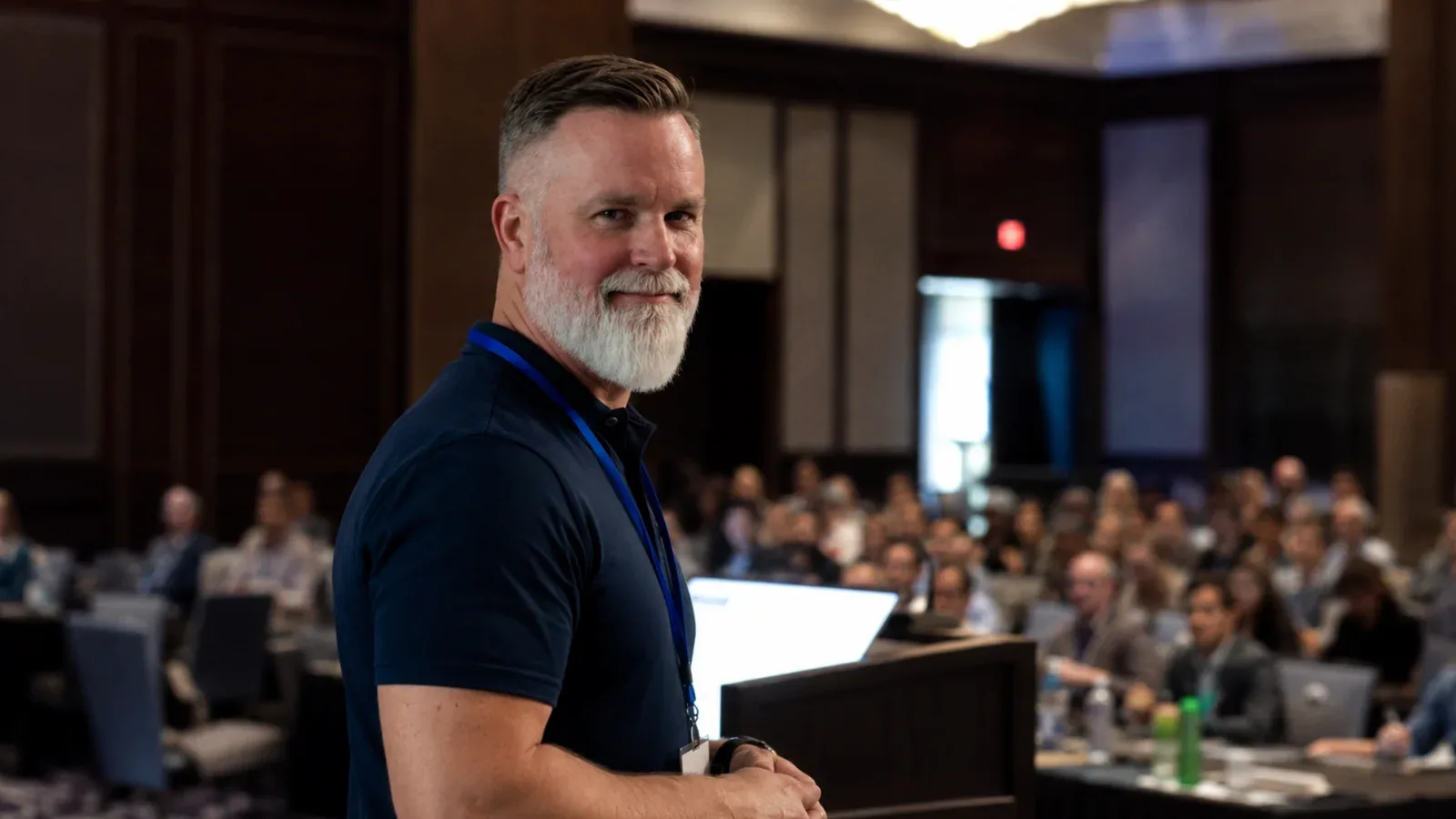
This is also where the instructor’s forensic background matters. A useful course connects low-level structures to the kinds of questions investigators actually face in casework, review and reporting.
James Eichbaum talks about this practical philosophy in his Forensic Focus interview: the need to understand how SQLite works so examiners can adapt, validate results and explain findings with confidence. It is a good companion read for anyone comparing SQLite forensics training options.
Useful elements in a SQLite forensics course
When comparing training options, it helps to look for the pieces that support the actual work investigators do with app-data evidence.
- SQLite file structure and page-level analysis
- B-tree pages, cells, records, varints and serial types
- Deleted record recovery from freeblocks and freelists
- WAL og SHM analyse
- Overflow pages, BLOBs and fragmented data
- Realistiske treningsfiler for app-data
- Nedlastbare SQLite-, WAL- og SHM-filer
- Byte-level exercises
- CTF-style or investigation-based challenges
- Tool-output validation
- Source-level explanation
- Certificate of completion or training record
- CPE credits for professional documentation
- Course-related support
The goal is not simply to cover the longest list of topics. The goal is to help the learner build a workflow they can use when SQLite evidence appears in an investigation.
A practical path for app-data investigations
A general SQLite course can be useful for learning queries and database basics. A forensic SQLite course goes further into the structures, recovery methods and validation steps that help investigators explain app-data evidence.
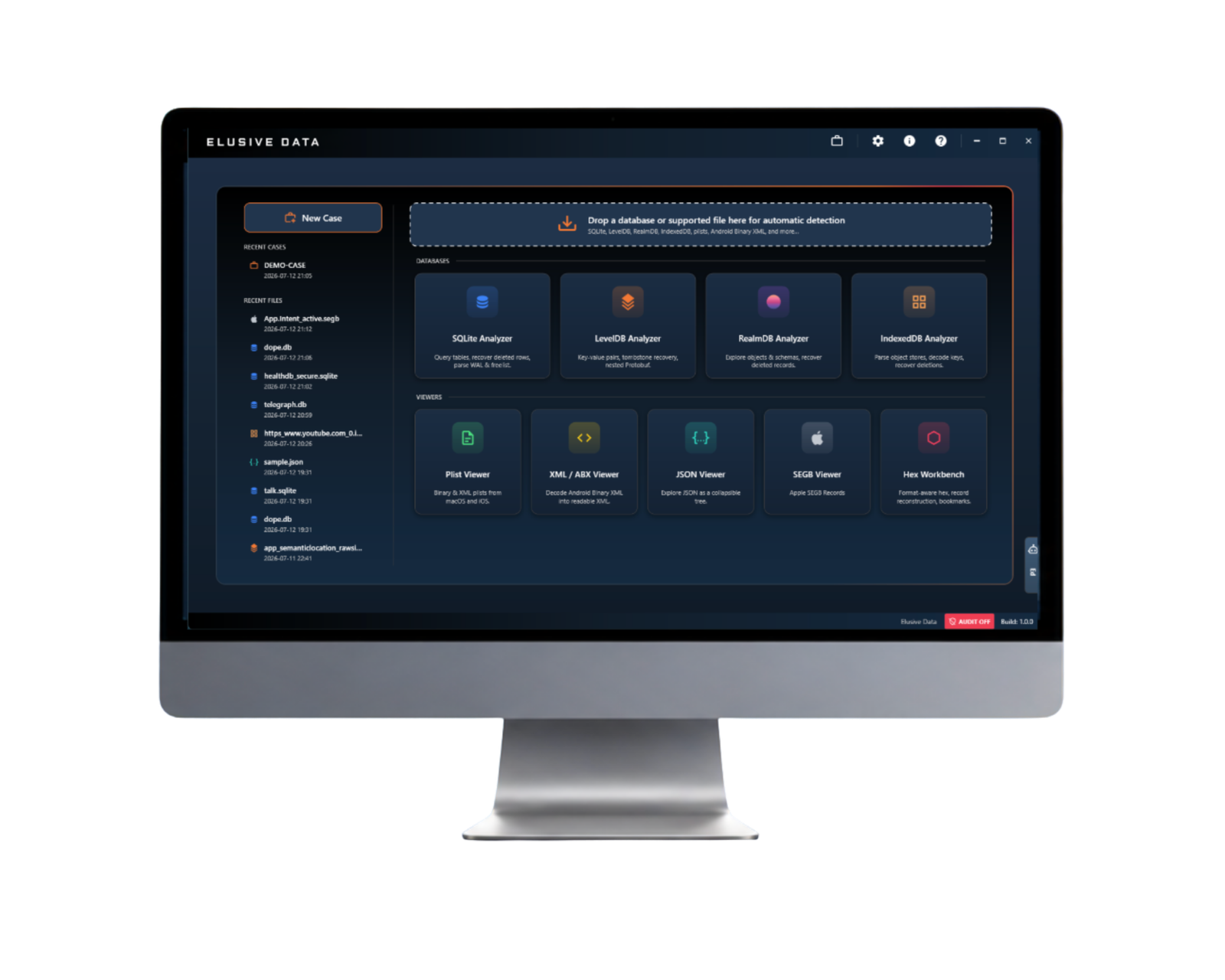
Elusive Data’s SQLite Forensics On-Demand course is built around that deeper forensic workflow. It combines guided self-paced lessons, interactive byte-level exercises, realistic app-data training files, downloadable SQLite databases, connected CTF challenges, certificate of completion, 24 CPE credits and course-related support.
It is designed for investigators who want to understand what the database contains, how a finding was recovered and why the interpretation can be trusted.
Continue learning
Explore the On-Demand course when you want a guided self-paced path through SQLite structures, WAL/SHM analysis, deleted record recovery, byte-level validation and connected CTF challenges.
Review the full SQLite Forensics Training page when you are comparing On-Demand, Live Online and On-Site formats for an individual learner or forensic team.
SQLite Forensics Course FAQ
Is SQLite forensics the same as learning SQL?
SQL helps you query data. SQLite forensics focuses on the database as evidence, including pages, records, WAL files, deleted data, validation and source-level explanation.
Why are WAL and SHM files useful in SQLite forensics?
WAL files can contain changed database pages that have not yet been checkpointed back into the main database. SHM files support the WAL-index mechanism and help SQLite coordinate access and locate WAL frames.
Can SQLite training help with deleted record recovery?
Yes. A forensic SQLite course can help investigators understand where recoverable content may remain, how to identify it, how to validate it and how to explain the limits of the recovery.
What makes hands-on SQLite training valuable?
Hands-on training gives learners time to inspect database files, follow records, review WAL and SHM files, practise recovery and validate findings from the source.
Can On-Demand training work for deep SQLite topics?
It can work well when the format is guided. A structured path, practical exercises, downloadable files, connected challenges and course-related support help learners revisit difficult material and build skill at their own pace.